

A whole home remodel in Los Angeles, Orange County and Riverside typically costs 100,000–160,000 for a 1,000-1,500 sq ft home with finishes above contractor grade. Higher-end finishes, larger properties and more extensive renovations can increase the budget to 160,000–220,000 or more. Your final whole home remodel cost depends on the property’s condition, structural requirements, materials and the extent of electrical, plumbing and other improvements.
If you’ve purchased an older property or want to update your current home, understanding these costs helps you establish a realistic budget before construction begins.
Whole Home Remodel Cost at a Glance
Your budget depends on the renovation scope and finish quality. The following estimates provide a starting point for a 1,000-1,500 sq ft property.
| Remodel level | Estimated cost | Typical scope |
| Above contractor grade | 100,000–160,000 | Kitchen and bathroom updates, flooring, lighting, painting and selected system improvements |
| Higher-end remodel | 160,000–220,000+ | Premium materials, upgraded fixtures, customization and extensive renovations |
These are planning estimates, not fixed quotes. A whole home remodel will have different costs from one needing new wiring, plumbing or structural work.
Remodel Cost Per Square Foot
Whole home remodel costs in Southern California can range from approximately $67 to $160 per square foot, depending on the property’s size, condition and renovation specifications.
| Home size | $100,000 remodel | $160,000 remodel |
| 1,000 sq ft | $100/sq ft | $160/sq ft |
| 1,250 sq ft | $80/sq ft | $128/sq ft |
| 1,500 sq ft | $67/sq ft | $107/sq ft |
Square footage provides a useful comparison, but it does not account for property condition or construction complexity. A smaller home with outdated plumbing and electrical systems can cost more per square foot than a larger property needing cosmetic improvements.
How Much Does It Cost to Remodel a 1,500 Sq Ft House?
A 1,500 sq ft home with a renovation budget of approximately $140,000 could have the following illustrative allocation:
| Work category | Estimated allocation |
| Kitchen renovation | $30,000 |
| Bathroom renovations | $28,000 |
| Flooring | $14,000 |
| Electrical and plumbing | $22,000 |
| Painting and finishing | $12,000 |
| Design, permits, demolition and contingency | $34,000 |
| Total | $140,000 |
This is an example budget, not a fixed pricing schedule. Your actual costs depend on the number of bathrooms, kitchen specifications, existing systems and construction requirements.
Keeping your existing kitchen and bathroom layouts can reduce the need to relocate plumbing and electrical connections. You can then direct more of your budget toward cabinetry, flooring and upgraded finishes.
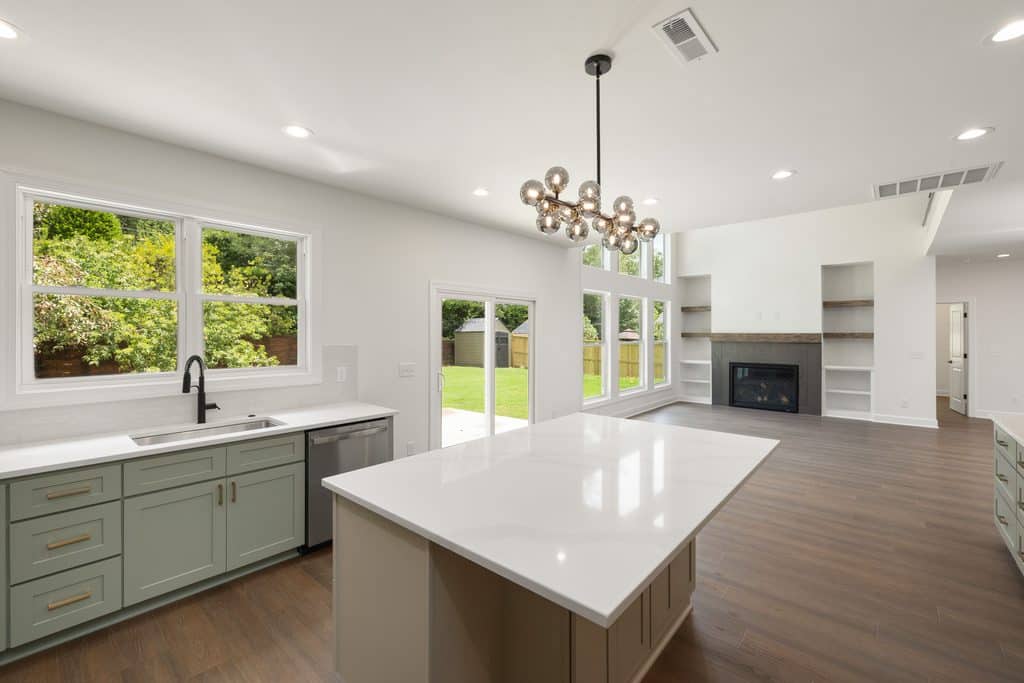
Contractor Grade vs. Above Contractor Grade vs. High-End Finishes
Finish quality has a direct influence on your complete home remodel cost. Understanding the differences helps you decide where to invest and where standard specifications are sufficient.
Contractor-Grade Finishes
Contractor-grade materials are standard products selected for affordability and practical performance. They suit investment properties and renovations with tighter budgets.
Typical examples include:
- Basic stock cabinetry
- Laminate countertops
- Entry-level vinyl or carpet flooring
- Standard ceramic tiles
- Basic lighting and hardware
Above Contractor Grade
Above contractor-grade finishes offer more choice in appearance, quality and specification without moving into custom-luxury territory.
You might choose:
- Quartz countertops
- Better-quality semi-custom cabinetry
- Luxury vinyl plank or engineered hardwood
- Porcelain tiles
- Upgraded plumbing fixtures and lighting
- Improved cabinet hardware and interior doors
This tier offers a practical middle ground when you want a more refined finish throughout your home without specifying premium products everywhere.
High-End Finishes
High-end renovations involve premium materials, custom details and specialized fixtures.
Examples include custom cabinetry, natural stone countertops, premium hardwood flooring, designer lighting, bespoke millwork and custom shower installations.
These selections increase material and installation costs. Prioritize the areas you use most frequently rather than upgrading every feature.
What Drives the Cost of a Whole Home Remodel?
Your property’s condition and the extent of construction usually have the greatest influence on the budget. Several factors deserve attention before you finalize your plans.
Scope and Structural Changes
A cosmetic renovation costs differently from a project involving demolition, structural alterations and replacement of major systems.
If you’re considering removing a structural wall, you may need structural engineering, beam installation, temporary support and inspections.
Relocating kitchens and bathrooms can also introduce additional plumbing and electrical work. Retaining the existing layout where practical can help control costs.
Older Home Systems
Older properties may contain outdated wiring, galvanized plumbing, electrical panels or deteriorating drain lines. Opening walls and ceilings can reveal problems that were not visible during the initial assessment.
If your renovation involves permits and structural retrofits, account for the associated engineering and construction requirements before committing to your finish budget.
Materials and Specifications
Your material selections affect purchasing and installation costs. Natural stone, custom cabinetry and specialist flooring generally require different fabrication and installation processes from standard products.
When choosing the right materials, consider durability, maintenance, availability and how each finish works with the rest of your home.

Where Does Your Remodel Budget Go?
Your kitchen, bathrooms and building systems account for substantial portions of a whole-home renovation.
- Kitchen: Cabinetry, countertops, appliances, lighting and plumbing. Changing the layout can increase costs
- Bathrooms: Waterproofing, tiles, fixtures, ventilation and plumbing. The number of bathrooms affects the total
- Flooring: Material, installation, removal and subfloor preparation
- Electrical and plumbing: Wiring, panels, outlets, supply lines and drainage improvements
- Painting and finishing: Interior paint, doors, trim, hardware and decorative details
Understanding these categories helps you compare estimates and identify where adjustments are possible.
How Do Remodel Costs Differ Across LA, Orange County and Riverside?
Location influences labor, material delivery, permitting and site conditions. However, the property’s individual requirements remain central to the final price.
Los Angeles: Older homes, previous alterations and hillside locations can introduce additional structural, engineering and permitting requirements.
Orange County: Properties range from established suburban homes to coastal residences. A coastal home remodel should account for exposure and suitable material specifications.
Riverside: Suburban properties and larger homes can require more flooring, painting and finishing materials. Older properties may also need electrical, plumbing or structural improvements.
Compare contractor estimates using the same scope of work. A lower initial price may exclude important construction items.
How Does the Project Timeline Affect Your Budget?
A whole-home remodel involves several stages, from design and approvals to construction and finishing. The timeline depends on project complexity, permit processing and material availability.
Typical stages include:
- Property assessment and planning
- Design and material selection
- Engineering and permit applications
- Demolition and preparation
- Structural, electrical and plumbing work
- Cabinetry, flooring and finish installation
- Final inspections and completion
Late design changes can affect labor scheduling and material orders. Finalizing major specifications before construction helps reduce unnecessary delays.
Understanding the whole house remodel timeline can also help you prepare for each stage, from initial planning to completed finishes.

How to Keep Your Whole Home Remodel on Budget
A realistic budget starts with a defined scope and an understanding of your property’s condition.
Choose a Design-Build Approach
A design-build arrangement brings design and construction responsibilities together under one coordinated team. This creates a clearer connection between design decisions, material selections and construction costs.
Ask how estimates are developed, how changes are managed and which items are included in the proposed price.
Prioritize Essential Improvements
Address structural problems, outdated electrical systems, plumbing issues and water damage before allocating money to decorative upgrades.
Once essential work is accounted for, you can decide how much remains for upgraded finishes.
Retain Existing Layouts Where Practical
Moving kitchens, bathrooms and structural walls can introduce additional engineering, labor and installation costs. Keeping major service connections in their existing positions can help control expenditure.
Include a Contingency
Set aside a separate allowance for unexpected repairs, particularly when renovating an older property. Discuss an appropriate contingency with your contractor before construction begins.
Consider Phasing the Work
You may be able to divide the renovation into stages if your budget does not cover everything at once. However, repeated demolition, setup and contractor mobilization can increase overall costs. Compare the total cost of phased work against completing the renovation together.
Common Mistakes to Avoid
A few budgeting mistakes can create unnecessary costs and make your renovation harder to manage.
- Budgeting Only for Finishes: Ignoring demolition, labor, permits and building systems creates an incomplete estimate. Request a breakdown covering the full construction scope
- Ignoring Older Home Conditions: Outdated wiring, plumbing and hidden damage can increase costs. Arrange a property assessment before finalizing your budget
- Changing the Layout Without Assessing Structural Requirements: Wall removal and relocated plumbing can introduce additional expenses. Confirm engineering and installation requirements first
- Choosing Materials Too Late: Delayed selections can affect purchasing and installation schedules. Finalize major specifications before construction
- Comparing Incomplete Quotes: Different contractors may exclude demolition, permits or finishing. Compare estimates with matching scopes
- Using Your Entire Budget: Unexpected repairs can create financial pressure. Keep a separate contingency allowance
Frequently Asked Questions
Can You Live in Your Home During a Whole House Remodel?
It depends on the extent of construction. If the renovation involves multiple bathrooms, kitchen replacement, electrical upgrades or extensive demolition, staying elsewhere may be more practical. Discuss access to essential facilities, dust control and construction scheduling before deciding.
What Is Usually Not Included in a Whole Home Remodel Quote?
Quotes may exclude architectural drawings, engineering, permit fees, temporary accommodation, appliance purchases or repairs to concealed damage. Inclusions vary between contractors, so review the written estimate carefully and ask for clarification before signing.
Should You Remodel Before Moving Into an Older House?
Renovating before moving in can make construction easier, particularly when the project involves flooring, painting, kitchen replacement or major system upgrades. You can complete disruptive work without arranging temporary access around your daily routine.
Does a Whole Home Remodel Increase Property Value?
The effect depends on your location, property condition, renovation quality and local buyer demand. Updated kitchens, bathrooms and functional layouts can improve a property’s appeal, but renovation costs do not automatically translate into an equivalent increase in resale value.
Can You Finance a Whole House Remodel?
Homeowners commonly consider options such as home equity loans, home equity lines of credit (HELOCs), cash-out refinancing or personal savings. Each option has different borrowing requirements, interest rates and repayment terms, so compare the total financing cost before committing.
What Should You Ask a Contractor Before Starting a Whole Home Remodel?
Ask who manages the project, what the estimate includes, how changes are priced, which permits are required and how construction updates are communicated. You should also review the proposed schedule, payment terms, insurance and written contract.
Is It Better to Remodel the Entire House at Once?
Completing the renovation together can reduce repeated setup, demolition and contractor mobilization. However, if your budget is limited or certain rooms remain functional, phasing the work may be more practical. Compare both approaches against your construction scope and overall budget.
Plan Your Whole Home Remodel With Confidence
Understanding your whole home remodel cost helps you establish priorities, select suitable materials and plan the construction work required.
At Denali Builders & Design, we work with homeowners across Los Angeles to deliver home renovations, construction and design services tailored to their properties and requirements. We focus on craftsmanship, material selection, transparent planning and customized solutions.
Whether you’re updating an older property or planning a complete transformation, our team helps you approach the renovation with a clear understanding of the work involved.
Ready to find out what your whole home remodel will cost? Get a free quote from the Denali Builders & Design team.