

Replacing an aging or damaged roof is a significant investment, and in Southern California, costs for a typical 1,000-1,800 sq. ft. home can range from $15,000 to $25,000. But what determines where your project falls within that range? Your roof replacement cost depends on more than the shingles you choose.
Roof design, slope and the condition of the existing structure all play a part. This guide breaks down three shingle options, what a complete roof replacement involves and the key factors that shape quotes across Los Angeles, Riverside and Orange County.
What Is the Average Roof Replacement Cost?
A complete asphalt shingle roof replacement generally costs 15,000–25,000 for the home size covered in this guide. This includes removing the existing roofing and installing a new system from the plywood up.
Your home’s interior square footage does not represent its actual roof area. Roof pitch, design and the number of sections all affect the amount of material and labor required.
The estimated project prices are:
- 20–25-year shingles: 15,000–20,000
- 30-year shingles: 17,000–22,000
- Presidential 50-year shingles: 18,000–25,000
These figures are planning estimates, not fixed quotes. Extensive plywood damage, complicated roof designs and additional installation requirements can increase the final price.
For a more accurate estimate, you need an assessment of your roof’s dimensions, materials and existing condition.
What Does a Full Roof Replacement Include?
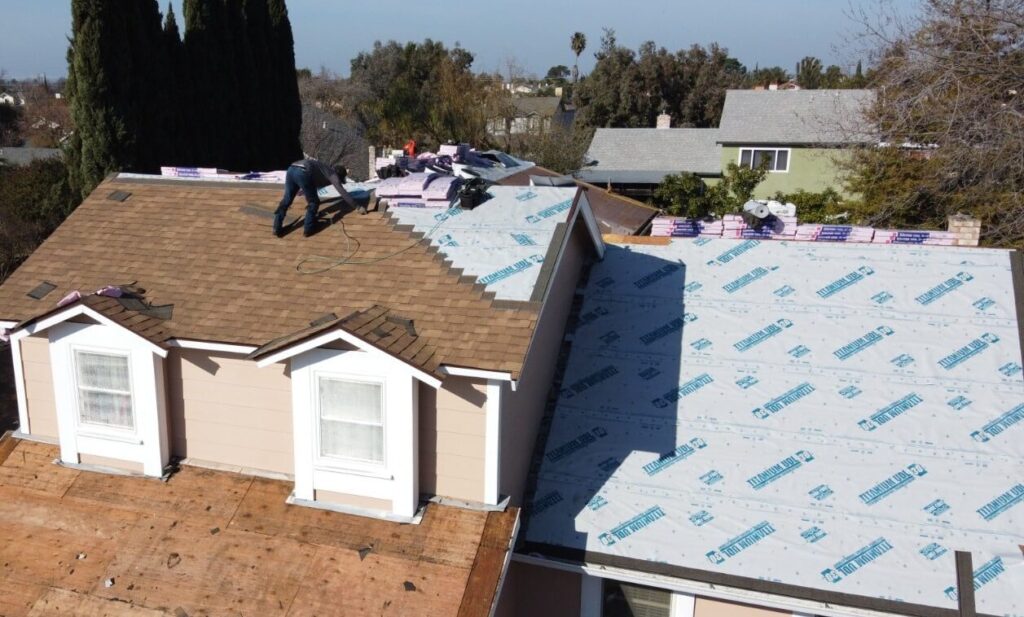
A full replacement involves stripping the existing roof down to the plywood, inspecting the deck and installing new roofing components. This gives you an opportunity to address hidden damage before installing new shingles.
A complete project typically includes:
- Roof removal: Removing existing shingles, underlayment and roofing materials.
- Deck inspection: Checking the exposed plywood for rot, moisture damage and deterioration.
- Plywood replacement: Replacing damaged sections where necessary.
- Underlayment installation: Adding a protective layer between the deck and shingles.
- Flashing and ventilation: Installing appropriate flashing, ridge vents and associated components.
- New shingles: Installing the selected roofing system, ridge caps and finishing details.
- Cleanup: Removing construction debris and cleaning the surrounding property.
When comparing quotes, confirm that all these stages are included. A price covering new shingles alone does not represent the cost of a complete replacement.
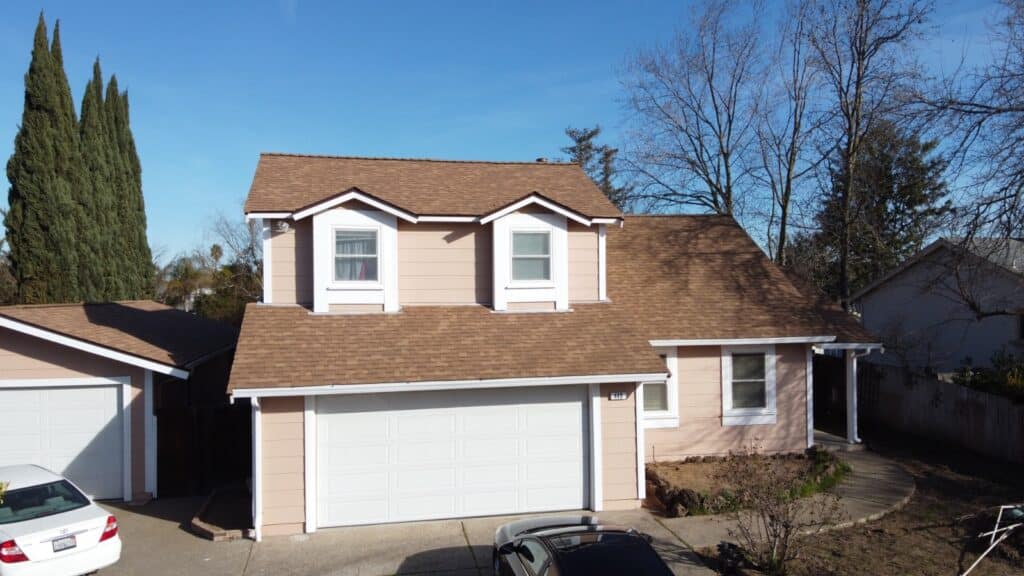
Shingle Roof Replacement Cost by Type
Your shingle selection affects the initial investment and advertised lifespan. The following comparison helps you evaluate the three options based on estimated project cost.
| Shingle Type | Project Cost | Advertised Lifespan | Cost Per Advertised Year |
| 20–25-year | 15K–20K | 20–25 years | 600–1,000 |
| 30-year | 17K–22K | 30 years | 567–733 |
| Presidential 50-year | 18K–25K | 50 years | 360–500 |
Annual figures divide the estimated project price by the advertised lifespan. They do not predict actual roof longevity.
20–25-Year Shingles: 15,000–20,000
This option suits homeowners looking for a lower initial investment. Standard architectural shingles provide a practical solution for many residential properties, particularly if you plan to sell within several years.
30-Year Shingles: 17,000–22,000
A 30-year roof offers a middle ground between upfront cost and advertised lifespan. It may suit homeowners planning to remain in their properties and seeking a longer-term roofing investment.
Presidential 50-Year Shingles: 18,000–25,000
Presidential shingles offer a premium option with a distinctive architectural appearance. They carry a higher initial price, but their estimated cost per advertised lifespan year is lower.
However, a 50-year label does not guarantee 50 years of performance. Review the manufacturer’s warranty, installation requirements and exclusions before choosing this option.
What Factors Affect Your Roof Replacement Cost?
Two homes with similar floor areas can receive very different quotes. Roof geometry, pitch, slope and existing damage all influence material requirements and installation labor.
Roof Style and Complexity
- Gable roofs: Two main sloping sections generally create a simpler installation with fewer complicated transitions.
- Hip roofs: Slopes on all exterior sides introduce additional ridges, angles and finishing work.
- Complex roofs: Multiple gables, dormers and intersecting sections require more detailed cutting, flashing and installation.
Number of Pitches and Valleys
Roof pitch describes the steepness of a roof section. Valleys form where two sloping sections meet and direct water toward the drainage area.
More roof sections and valleys mean additional measurements, flashing and detailed installation work. A roof with several intersecting sections generally requires more labor than a straightforward gable roof of similar surface area.
Roof Slope in Degrees
Roof pitch is expressed as the vertical rise over a 12-inch horizontal run. It can also be converted into degrees.
| Roof Pitch | Approximate Angle |
| 3:12 | 14° |
| 4:12 | 18° |
| 6:12 | 27° |
| 8:12 | 34° |
| 10:12 | 40° |
| 12:12 | 45° |
Steeper roofs generally require additional fall protection, access equipment and installation time. They also have a larger surface area than flatter roofs covering the same horizontal footprint.
Existing Roof Damage
Water penetration, deteriorated plywood, damaged flashing and inadequate ventilation can increase the cost of a replacement.
Ask your contractor how additional work will be documented and priced if concealed damage appears during removal.
Roof Replacement Cost in Los Angeles, Riverside and Orange County
The estimated 15,000–25,000 range applies to the shingle options covered in this guide. Local requirements, property access and material specifications can influence the final quote, but roof design and project scope remain important pricing factors.
Los Angeles
Older homes and properties with complex roof structures may require additional detailing. If your property has historical restrictions, review the requirements for roofing on historic homes. When comparing roof replacement cost in Los Angeles, also confirm whether your property falls under the relevant city or county permitting authority.
Riverside County
Confirm local reroofing requirements and inspection procedures before scheduling construction. Your property’s jurisdiction determines which building department handles the application. For an accurate roof replacement cost in Riverside, make sure the estimate accounts for the actual roof dimensions, material selection and any necessary deck repairs.
Orange County
Consider the roofing product’s energy-efficiency specifications and suitability for your property. A 35-year cool-roof shingle design is one example of an energy-conscious replacement specification.
When assessing roof replacement cost in Orange County, compare the product specifications and installation scope alongside the initial price. An energy-efficient Orange County roof replacement is relevant when evaluating longer-term roofing options.
California Roofing Permits, Title 24 and Fire Requirements
California roof replacements may involve building permits, energy-efficiency standards and fire-resistance requirements. These depend on your property’s location, project scope and applicable building code.
Permits and Title 24
For a roof replacement, your contractor should take responsibility for identifying the applicable permit requirements and managing the application process. Los Angeles projects may fall under LADBS or the relevant county authority, while Riverside and Orange County have their own permitting procedures. Requirements also vary between incorporated cities.
An experienced professional can coordinate the necessary LADBS permits, applications and inspections as part of the project.
California’s Title 24 energy standards include cool-roof requirements for certain projects. A cool roof reflects more sunlight and absorbs less heat than conventional roofing materials.
Your contractor should assess whether these requirements apply to your property based on its climate zone, roof slope, building type and replacement scope, then help you select roofing materials that meet the relevant specifications.
Class A Fire-Rated Shingles
Properties in California’s designated Fire Hazard Severity Zones may require fire-resistant roofing. Class A is the highest fire-resistance rating for roof coverings. Common options include approved asphalt shingles, concrete tiles, clay tiles and metal roofing.
The rating applies to the complete roofing assembly, not just the surface material. Your contractor should check local fire requirements and select a tested Class A system that meets the applicable standards.
Best Time to Replace Your Roof
Southern California’s drier months generally provide a more predictable installation window. However, contractors must still account for weather forecasts and manufacturer installation requirements.
If your roof is actively leaking, waiting for a particular season may allow further damage to develop.
When Should You Replace Your Roof Instead of Repairing It?
A localized defect does not automatically require a complete replacement. However, widespread deterioration or recurring problems may make a new roof more economical over time.
Look for these warning signs:
- Recurring leaks: Water entering through several areas may indicate widespread deterioration.
- Missing or curling shingles: Repeated damage can suggest that the roofing material is nearing the end of its useful life.
- Granule loss: Excessive granules in gutters can indicate asphalt shingle deterioration.
- Sagging sections: These may indicate damage to the underlying roof structure.
- Repeated repairs: Frequent repairs across different sections may make replacement a better investment.
A 20-year-old roof is not automatically ready for replacement. Its actual condition, installation history and material specifications matter.

How to Compare Roofing Contractors and Quotes
A complete roofing quote should identify the materials, labor, installation scope and additional costs. Comparing the final price alone does not show whether two contractors are offering the same work.
Check that your estimate specifies:
- Existing roof removal and disposal
- Roof deck inspection and plywood replacement costs
- Underlayment and shingle specifications
- Flashing and ridge ventilation
- Permit responsibilities
- Installation and cleanup
- Manufacturer and workmanship warranties
Understanding how to choose a contractor in Los Angeles helps you evaluate qualifications and project management.
Also review the red flags to avoid when hiring, including vague estimates, unclear payment terms and reluctance to document additional costs.
Common Mistakes to Avoid
Avoid these mistakes when planning your replacement:
- Choosing the lowest quote: It may exclude essential work. Compare the complete installation scope.
- Using home size as roof size: Request measurements based on actual roof dimensions and slope.
- Ignoring plywood condition: Confirm how damaged sections will be identified and priced.
- Choosing by lifespan alone: Review product specifications and warranty exclusions.
- Overlooking permits: Confirm local requirements before construction begins.
- Ignoring ventilation: Include an assessment of the existing attic ventilation system.
Should You Replace Your Roof During a Home Remodel?
Replacing your roof during a larger renovation can make sense when both projects involve overlapping construction work. For example, a second-story addition or major exterior renovation may require changes to the existing roof structure.
Understanding the general contractor vs. remodeling contractor distinction helps you evaluate the management requirements of your project.
A design-build approach brings design and construction planning together. This allows you to coordinate roofing materials, structural requirements, drainage and ventilation with the wider renovation.
If your roof is in good condition and your remodel does not involve structural or exterior changes, replacing it at the same time may not be necessary.
Frequently Asked Questions
Can You Stay in Your Home During a Roof Replacement?
Usually, yes. However, expect construction noise, vibration and activity around your property. If you work from home or have young children, consider how the installation schedule may affect your daily routine.
How Much Extra Should You Budget for Plywood Replacement?
The cost depends on the amount of damaged sheathing discovered after removal. Ask your contractor to provide a per-sheet or per-square-foot replacement rate so you can evaluate additional charges before approving the work.
Will a New Roof Change Your Home’s Appearance?
Yes. Shingle color, texture and profile can affect your home’s exterior appearance. Compare samples against your siding, exterior paint and architectural style before selecting a product.
What Documents Should You Keep After Replacement?
Keep your signed contract, final invoice, permit documentation, inspection records, product specifications and warranty paperwork. These records establish which materials were installed and what coverage applies.
Can You Replace Your Roof and Gutters Together?
Yes. Coordinating both projects may make sense if your existing gutters are damaged or incompatible with the new roof’s drainage layout. However, replacing functional gutters may be unnecessary.
Get an Accurate Roof Replacement Cost for Your Home
Understanding your roof replacement cost starts with an assessment of your existing roof, its structure and the materials required.
At Denali Builders & Design, we help homeowners across Los Angeles, Riverside and Orange County plan residential construction and remodeling projects with attention to craftsmanship, transparency and long-term value.
We provide customized solutions based on your property’s condition, design and construction requirements, with a focus on quality materials and careful project planning.
Ready to find out what your new roof will really cost? Denali Builders & Design gives homeowners in Los Angeles, Riverside and Orange County a detailed roof replacement quote from the plywood up, so there are no surprises. Contact us today for your free roof estimate.