

If you are comparing a garage conversion vs detached ADU Los Angeles, the cheaper option is usually the garage conversion, while a new detached ADU gives you more flexibility in size, layout and design. A typical 2-car garage conversion may cost roughly $100,000 to $200,000 based on typical market rates, while a new detached ADU can range from about $200,000 to $450,000 or more depending on size, finishes and site conditions-based on typical market rates.
The right choice depends on more than the construction price. Your garage’s condition, available yard space, utility connections, structural requirements, rental potential and permitting requirements can change the financial picture significantly.
Garage Conversion vs Detached ADU Los Angeles: What Is The Difference?
A garage conversion turns an existing garage into a permitted living space. A detached new-build ADU is constructed as a new residential structure elsewhere on your property.
When comparing a garage conversion vs detached ADU Los Angeles, a garage conversion makes sense for many homeowners when the existing structure is sound and the goal is to control the initial investment. A detached ADU makes more sense when you want a larger or more customised unit and have enough usable yard space.
| Factor | Garage Conversion | Detached New Build |
| Existing structure | Reuses garage | New construction |
| Typical size | Often limited by garage footprint | More flexible |
| Foundation | Existing slab may be reusable | New foundation required |
| Structural work | May require reinforcement | Designed from scratch |
| Utilities | Often closer to existing connections | New runs may be required |
| Design flexibility | Moderate | High |
| Typical cost | Lower | Higher |
| Rental potential | Depends on size and location | Often higher if the unit is larger |
| Construction complexity | Lower if garage is suitable | Higher |
| Best for | Budget-conscious projects | Maximum flexibility |
The comparison becomes much clearer once you look at where your money actually goes.
How Much Does A Garage Conversion ADU Cost In Los Angeles?
A garage conversion in Los Angeles commonly falls somewhere around $100,000 to $200,000 based on typical market rates for a finished ADU, although the actual price can move substantially based on the existing structure and project scope. Current published LA market estimates vary, so treat these figures as planning ranges rather than quotes.
The biggest advantage is that you already have a structure. Your slab, walls and roof may be reusable, although each component needs to meet the applicable requirements for the finished ADU.
A 2-car garage might provide roughly 400 to 500 square feet. That can work well for a studio or one-bedroom unit, but it limits how much additional living space you can create without expanding the structure.
Your conversion budget may include:
- Structural assessment and reinforcement
- Insulation and drywall
- New windows and exterior doors
- Plumbing for the kitchen and bathroom
- Electrical upgrades
- HVAC
- Kitchen cabinetry and appliances
- Bathroom fixtures
- Flooring and interior finishes
- Design, engineering and permit costs
- Utility upgrades where required
The existing garage can therefore save you money, but it is not automatically a cheap project. If the slab, framing, roof or electrical system needs substantial work, the savings can shrink quickly.
How Much Does A Detached ADU Cost In Los Angeles?
A detached ADU typically costs more because you are paying for a complete new structure rather than adapting an existing one. Current 2026 LA market estimates commonly place detached ADUs somewhere around $200,000 to $450,000 based on typical market rates, with larger two-story or higher-end projects potentially exceeding that range.
New construction introduces costs that a garage conversion may largely avoid.
You may need:
- Site preparation
- Excavation and grading
- A new foundation
- Framing
- Roofing
- Exterior cladding
- New plumbing runs
- Electrical service and connections
- HVAC
- Interior finishes
- Landscaping or site restoration
- Design, engineering and permitting
The cost per square foot can also be higher on a smaller detached ADU because fixed costs are spread across fewer square feet.
A 750-square-foot detached ADU, for example, gives you considerably more flexibility than a 400-square-foot garage. You may be able to create a more functional one-bedroom or two-bedroom layout with better storage, a dedicated laundry area and a more appealing outdoor relationship.
That flexibility has value if your objective is long-term rental income rather than simply adding habitable space.
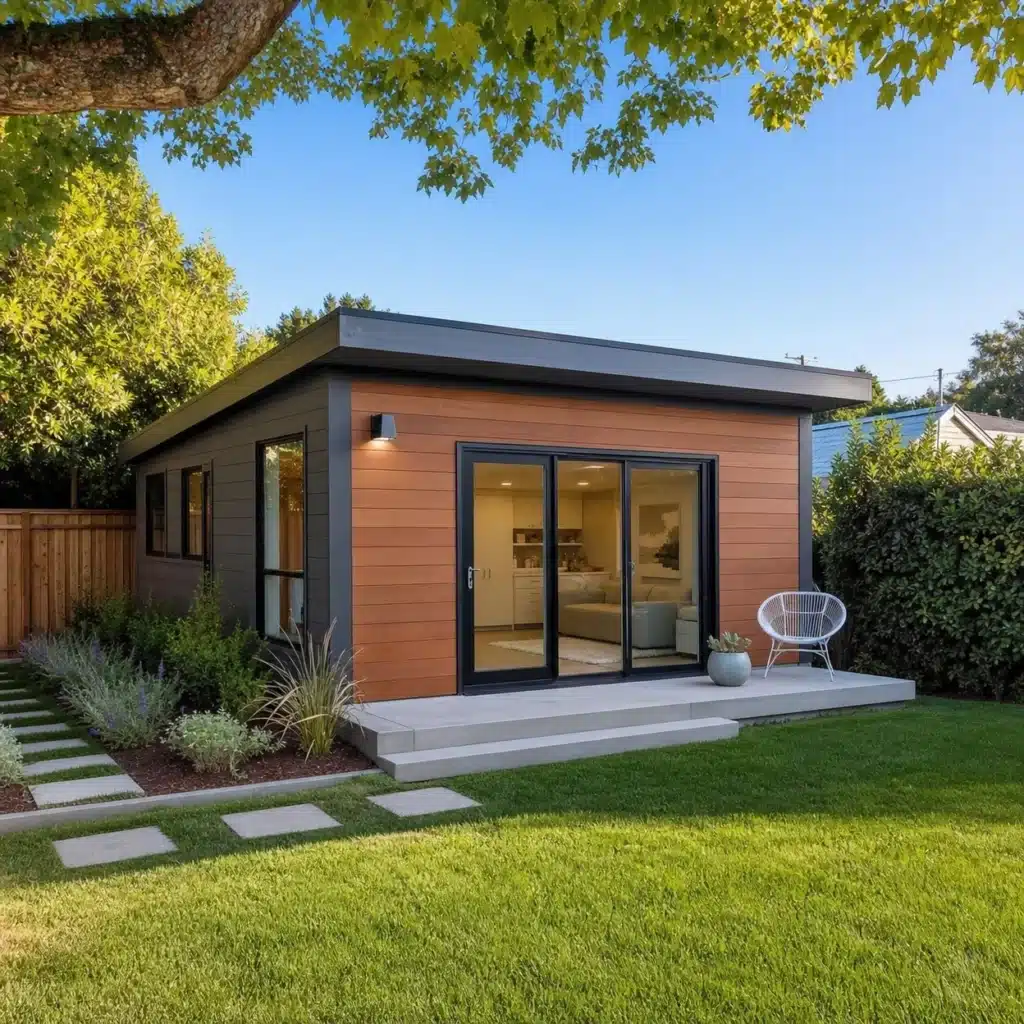
Which Option Has The Better ROI?
Neither option automatically produces a better return on investment. ROI depends on how much you spend, what the completed unit can rent for, how much usable space you create and how your local rental market values the property.
A garage conversion often has an advantage because the initial investment can be lower. If you spend $150,000 and create a legal rental unit, the same rental income can produce a stronger gross yield than spending $300,000 on a detached unit.
However, a larger detached ADU may generate more monthly rent.
For planning purposes, current published LA estimates put many studio and one-bedroom ADUs somewhere in the broad range of roughly $1,800 to $3,200 per month, with location, size, condition and amenities making a major difference. These are market estimates, not guaranteed rents.
For example, a $150,000 conversion renting for $2,200 per month would generate $26,400 in gross annual rent. That is a simple gross yield of 17.6% before vacancy, maintenance, insurance, financing, taxes and other ownership costs.
A $300,000 detached ADU renting for $3,200 per month would generate $38,400 annually, or a 12.8% gross yield before those same expenses.
All figures are based on typical market rates.
The lesson is simple: higher rent does not necessarily mean better ROI.
You should compare the total investment against realistic local rental income rather than choosing the project with the highest advertised rental value.
How Do Foundation And Structural Costs Change The Decision?
The condition of your existing garage can be one of the most important variables in the comparison. A garage conversion only saves money when enough of the existing structure can be reused.
You may need structural work if the existing slab, foundation, framing or roof does not meet the requirements for the proposed conversion. Turning a structure designed for vehicle storage into habitable space can also require changes to insulation, openings, moisture protection and mechanical systems.
A detached ADU starts with a clean structural design. That means paying for a new foundation and framing, but you are not trying to make an old structure fit a new purpose.
This is why an on-site assessment matters. A $120,000 garage conversion on paper can become much more expensive if the existing structure requires extensive remediation.
What About Utility Tie-In Costs?
Utilities can materially affect both options, particularly when your property has limited capacity or the new unit sits far from existing connections.
A garage conversion may have an advantage because the existing structure is already connected to the property. However, you may still need electrical, plumbing or sewer upgrades to support the new dwelling.
A detached ADU can require longer utility runs between the main house and the new structure. Depending on the property, you may also encounter service-capacity issues, sewer work or other site-specific requirements.
Do not compare contractor bids until you understand whether utility work is included. A lower construction price can become less attractive when significant connections and upgrades appear later.
Ask each contractor to identify:
- Electrical service and panel requirements
- Water supply requirements
- Sewer connection requirements
- Gas or alternative energy requirements
- Utility trenching
- Connection and upgrade allowances
- Site restoration after utility work
This makes the bids easier to compare because you are comparing scope rather than isolated headline numbers.

Which Option Has The Faster Timeline?
A garage conversion can be faster because the basic structure already exists. A straightforward project may take several months from design through completion, while a more complex conversion can take longer when structural corrections or permitting issues arise.
A detached ADU generally requires more construction stages. You are starting with site preparation and foundation work before moving through framing, roofing, utilities, interiors and final inspections.
Permit timelines also depend on the property and application. California Department of Housing and Community Development establishes ministerial ADU review requirements, but the practical timeline can still be affected by corrections, project complexity and local conditions.
Properties in areas with additional planning requirements can take longer. Los Angeles examples include projects in the Coastal Zone, hillside areas and other locations subject to specific planning controls.
The safest approach is to treat any advertised timeline as a project-specific estimate rather than a promise.
Which ADU Is Better For Rental Income?
If rental income is your main objective, focus on the quality and usability of the finished unit rather than simply maximising square footage.
A garage conversion may work well when you can create a comfortable studio or one-bedroom layout with good natural light, a proper kitchen, a private bathroom and adequate storage.
A detached ADU gives you more options. You may be able to create a larger bedroom, additional living space, better separation from the main house and a more private outdoor area.
Privacy can matter to tenants, particularly when the ADU shares a property with an occupied primary residence.
You should also consider whether converting the garage removes parking or storage that you actually need. The cheapest ADU is not necessarily the best use of your property if it creates an everyday problem for you.
When Should You Choose A Garage Conversion?
A garage conversion is usually worth investigating first when your existing garage is structurally suitable, you want to limit the initial investment and the available footprint provides enough space for your intended use.
It can be particularly practical when your garage already sits in a suitable location and utility connections are nearby.
You may not need a detached build at all if your goal is simply to create an additional bedroom, bathroom or compact rental unit. Spending more money does not automatically create more value.
When Is A Detached ADU The Better Choice?
A detached ADU is more compelling when you have sufficient yard space and want greater control over the unit’s size, layout and appearance.
It may also make sense when your existing garage is poorly suited to conversion. If substantial structural work is required, you should compare the cost of reinforcing the garage with the cost of building a new structure.
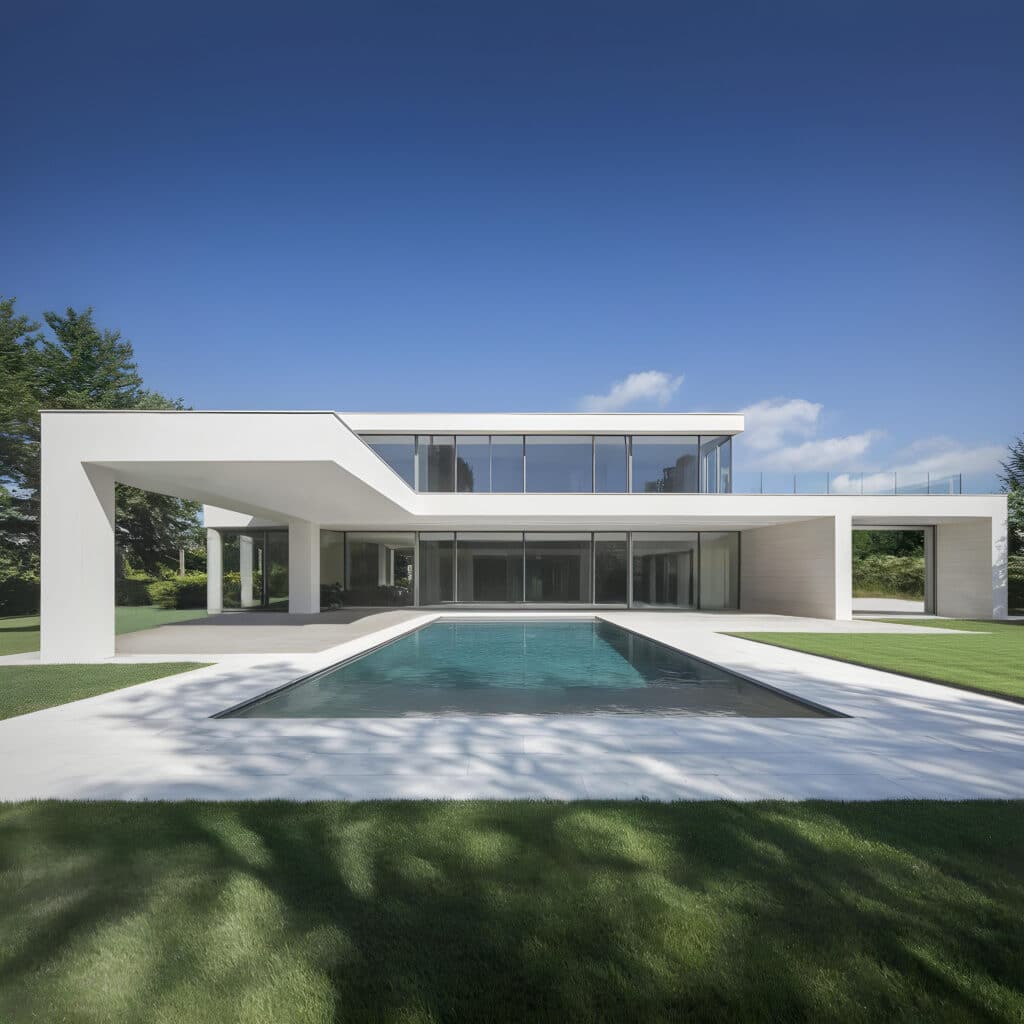
A two-story detached ADU can also make better use of a constrained lot by creating additional living space without using as much ground-level area. Los Angeles planning records show both garage conversions with second-story additions and new two-story detached ADUs, demonstrating that the practical solution depends heavily on the individual property.
Common Mistakes to Avoid
The biggest mistakes happen when you compare headline prices instead of the complete project scope. A proper feasibility review should happen before you commit to a design.
- Comparing construction prices only: A quote that excludes design, permits, utility work or structural upgrades can look cheaper than it really is. Ask for a complete scope of work
- Assuming the garage needs no structural work: An existing garage still needs to meet applicable requirements for its new use. Have the structure assessed before relying on conversion savings
- Ignoring utility capacity: A new kitchen, bathroom and HVAC system increase demand. Confirm electrical, water and sewer requirements early
- Using optimistic rental projections: Advertised rents are not guaranteed income. Compare your projected rent with similar units in your immediate area
- Choosing the largest possible ADU: More square footage costs more. Build the size that supports your intended use and financial model
- Forgetting your own parking and storage needs: Removing a garage can solve one problem while creating another. Consider how you will use the property after construction
- Treating the permit timeline as fixed: Review times and project requirements vary. Build reasonable contingency into your schedule
Frequently Asked Questions
Is A Garage Conversion Cheaper Than A Detached ADU In Los Angeles?
Usually, yes. A garage conversion can reuse an existing foundation, walls and roof, reducing the amount of new construction required. Current LA market estimates commonly place garage conversions below detached ADUs in total cost. However, major structural repairs or utility upgrades can narrow the difference considerably.
How Much Does A Two-Car Garage ADU Cost In Los Angeles?
A typical two-car garage conversion may fall around $100,000 to $200,000 depending on size, existing conditions, finishes, structural work and utility requirements. A sound garage with a suitable layout can cost less than a project requiring substantial reinforcement or reconstruction.
Is A Detached ADU Better For Rental Income?
Not automatically. A detached ADU can offer more living space, privacy and design flexibility, which may support higher rent. However, its larger construction cost can reduce gross rental yield. Compare realistic local rent against the total project cost before deciding.
How Long Does A Garage Conversion ADU Take?
A straightforward garage conversion can take several months from planning through completion. The actual schedule depends on design, permitting, inspections, construction complexity and the condition of the existing garage. Structural repairs, utility upgrades or additional planning requirements can extend the timeline.
Can You Build A Two-Story Detached ADU In Los Angeles?
A two-story detached ADU may be possible depending on the property, zoning, height restrictions, setbacks and other applicable requirements. Los Angeles planning records include approved and proposed two-story ADU projects, but your property’s specific conditions determine what can be built.
What Adds The Most Cost To An ADU?
Structural work, foundation construction, utility upgrades, site conditions and higher-end finishes can have a major effect on the final price. For a garage conversion, the condition of the existing structure is particularly important. For a detached ADU, foundation, framing and utility work become significant new costs.
Should You Convert Your Garage Or Build A New ADU?
Start with the existing garage if it is structurally suitable and provides enough space for your intended use. Consider a detached ADU when you need more space, greater design flexibility or better separation from the main house. Compare both options using complete project costs and realistic rental income.
Choose The ADU That Fits Your Property
The best choice depends on the balance of cost, usable space, rental potential and long-term value. A garage conversion can be financially attractive when the existing structure is suitable, while a detached ADU can justify its higher cost when you need more space and flexibility.
We help homeowners evaluate ADU projects as part of a broader construction and design process. As an ADU general contractor in Los Angeles, we can assess the property, discuss customised solutions and plan the work around your goals, budget, materials and desired finish.
Our approach focuses on transparent planning, quality construction and clear communication throughout the project. Understanding what your lot and existing structures can realistically support is the right starting point when comparing a garage conversion vs detached ADU Los Angeles.
Unsure which ADU style fits your lot and budget? Book an on-site ADU site evaluation with Denali Builder.